
Call: 07971670381
 Send Inquiry
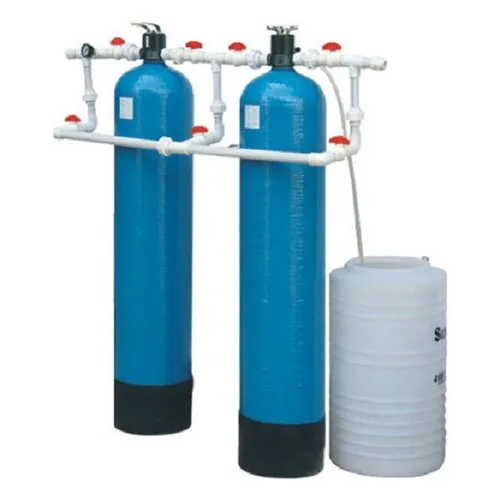
A 500 LPH (liters per hour) water softener plant is designed to reduce water hardness by removing calcium and magnesium ions, which can cause scaling and other issues in water systems. This type of system is typically used in commercial and light industrial applications. Below is a technical description of its components and operational processes:
Key Components
1. Raw Water Supply
- Intake Pump Draws water from the source (e.g., borewell, municipal supply) into the softening system. It ensures a steady flow of water to the plant.
2. Pre-Treatment System
- Multimedia Filter Removes larger particulates and sediments from the raw water, protecting downstream components.
- Activated Carbon Filter (optional) If required, this filter can remove chlorine and organic matter that may interfere with the softening process.
3. Water Softening Unit
- Softener Tank A large tank filled with resin beads that exchange sodium ions for calcium and magnesium ions. This is where the softening process occurs.
- Resin Media Typically made of polystyrene, these beads are responsible for ion exchange, effectively softening the water.
4. Brine Tank
- Stores the sodium chloride (salt) solution used for regenerating the resin beads. The concentration of the brine solution is crucial for effective regeneration.
5. Regeneration System
- Control Valve Automatically manages the flow of water through the system during regeneration cycles.
- Regeneration Cycle Involves flushing the resin with brine to remove accumulated hardness ions, followed by a rinse cycle to wash away excess salt.
6. Post-Treatment System
- Post-Softening Filter May be installed to remove any remaining impurities before the softened water is delivered to the end-use applications.
- pH Adjustment (if necessary) Adjusts the pH of the softened water to meet specific quality requirements.
7. Control and Monitoring System
- Flow Meters and Sensors Monitor flow rates, pressures, and system performance. Alarms may be integrated to alert operators of any malfunctions or maintenance needs.
Operational Process
1. Feed Water Intake Raw water is pumped into the system and directed through the pre-treatment components.
2. Pre-Treatment The multimedia filter removes sediments, while optional carbon filters eliminate chlorine and organics.
3. Softening Process
- Water enters the softener tank, where it flows through the resin beads. Calcium and magnesium ions are exchanged for sodium ions, effectively softening the water.
4. Regeneration Cycle
- After a certain capacity is reached, the control system initiates a regeneration cycle, allowing brine to flow through the resin bed. This process displaces the hardness ions and replenishes the sodium ions.
5. Rinse and Finalization The resin is rinsed with fresh water to remove excess brine, and the system is ready to resume normal operation.
6. Distribution The softened water is then sent to storage tanks or directly to the end-use applications, such as boilers, cooling systems, or manufacturing processes.
Applications
A 500 LPH water softener plant is suitable for various applications, including:
- Industrial Processes Reducing scaling in boilers, cooling towers, and heat exchangers.
- Laundry Services Softened water improves the efficiency of detergents and prevents fabric damage.
- Food and Beverage Industry Ensuring water quality for food processing and equipment protection.
- Hospitality Sector Providing soft water for guest services, such as washing and cleaning.
Maintenance and Management
Regular maintenance is vital for optimal performance:
- Routine Inspection Check for leaks, pressure drops, and other mechanical issues.
- Resin Replacement Resin beads may need replacement every few years, depending on usage and water quality.
- Salt Level Monitoring Regularly check and refill the brine tank with sodium chloride.
Conclusion
A 500 LPH water softener plant effectively addresses hard water issues in commercial and light industrial settings. By utilizing a combination of filtration, ion exchange, and automated controls, it provides a reliable solution for maintaining water quality, improving operational efficiency, and extending the lifespan of equipment and systems.
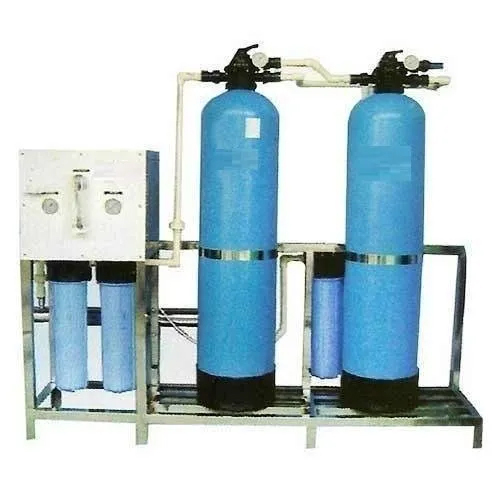

Price:
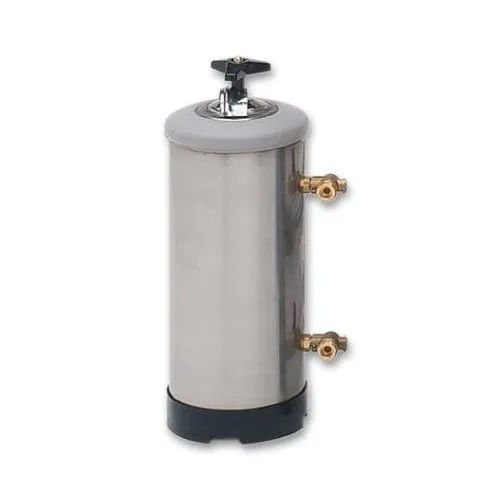
Minimum Order Quantity : 1 Unit
Material : Stainless Steel
Installation Type : Cabinet Type
Application : Industrial
Warranty : 1 Year
Water Source : Ground Water
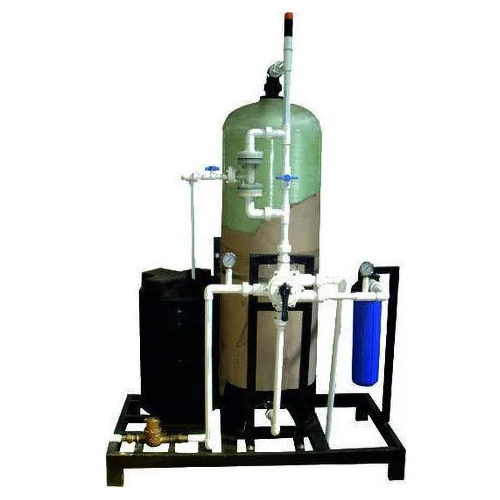
Minimum Order Quantity : 1 Unit
Material : Stainless Steel
Installation Type : Cabinet Type
Application : Industrial
Warranty : 1 Year
Water Source : Ground Water
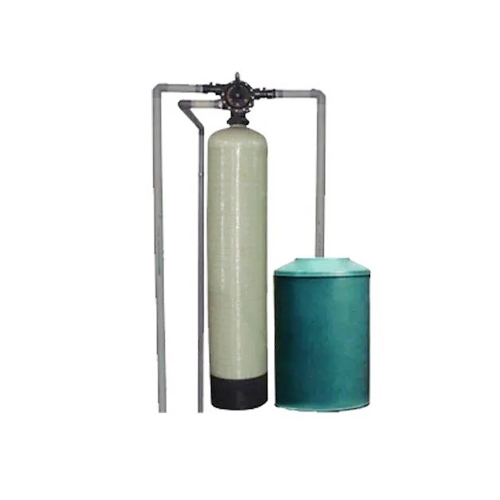
Minimum Order Quantity : 1 Unit
Material : Stainless Steel
Installation Type : Cabinet Type
Application : Industrial
Warranty : 1 Year
Water Source : Ground Water
Minimum Order Quantity : 1 Unit
Material : Stainless Steel
Installation Type : Cabinet Type
Application : Industrial
Warranty : 1 Year
Water Source : Ground Water
GST : 24CQEPP5606B1Z7


 Send Inquiry

 Send Inquiry