
Call: 07971670381
 Send Inquiry
A heavy-duty reverse osmosis (RO) plant is engineered for high-capacity water purification, often used in industrial and commercial applications where large volumes of water need to be treated efficiently and reliably. Heres a detailed technical description of its components, processes, and operational considerations:
Key Components
1. Feed Water System
- Intake Pumps Heavy-duty pumps designed to handle varying water sources (e.g., seawater, brackish water, or surface water) and provide a consistent feed flow to the system.
- Large-Volume Storage Tanks Typically constructed from fiberglass or stainless steel, these tanks store the incoming feed water for pre-treatment.
2. Pre-Treatment System
- Multimedia Filters Multi-layered filters that effectively remove larger particulates, sediments, and turbidity from the feed water.
- Activated Carbon Filters Remove chlorine, organics, and other harmful contaminants that can degrade membrane performance.
- Chemical Dosing Systems Introduce antiscalants and coagulants to prevent scaling on the membranes and improve overall efficiency.
3. High-Pressure Pump
- Heavy-duty high-pressure pumps capable of generating the necessary pressure (200 to 800 psi) for the RO process, ensuring efficient permeation through the membranes.
4. Reverse Osmosis Membrane Modules
- High-Performance Membrane Elements Made from thin-film composite materials, these membranes are designed for high rejection rates of salts and contaminants.
- Pressure Vessels Typically constructed from stainless steel or reinforced plastic, these vessels house the membrane elements and are designed to withstand high operating pressures.
5. Post-Treatment System
- pH Adjustment Systems Adjusts the pH of the permeate water to meet specific standards for various applications.
- UV Disinfection Additional sterilization step to eliminate any residual microorganisms from the purified water.
- Mineralization Units Optionally reintroduces essential minerals to enhance water quality and taste.
6. Control and Monitoring Systems
- Advanced control systems featuring automation, data logging, and real-time monitoring capabilities. This includes sensors for flow, pressure, and water quality parameters, as well as alarms for operational anomalies.
Operational Process
1. Feed Water Intake Water is drawn from the source and stored in the pre-treatment tanks.
2. Pre-Treatment The feed water undergoes several treatment stages to remove impurities and protect the membranes from fouling and scaling.
3. RO Process The high-pressure pump forces the pre-treated water through the RO membranes. The system separates the incoming water into permeate (purified water) and concentrate (contaminants).
4. Post-Treatment The permeate is treated to meet the desired quality specifications for its intended application.
5. Concentrate Management The concentrate stream is either discharged or further processed based on environmental guidelines.
Applications
Heavy-duty RO plants are ideal for a range of demanding applications, including:
- Industrial Water Treatment Providing high-purity water for manufacturing processes, cooling towers, and boiler feed water.
- Desalination Converting seawater into potable water, especially in coastal regions.
- Mining Operations Treating water used in mineral extraction processes.
- Food and Beverage Production Ensuring consistent quality of water used in production processes.
- Wastewater Treatment Recycling and purifying wastewater for reuse in various applications.
Maintenance and Management
Routine maintenance is essential to ensure optimal performance and longevity:
- Regular Cleaning and Replacement Membranes should be cleaned and replaced periodically to prevent fouling.
- Inspection of Mechanical Components Regular checks of pumps, valves, and pressure vessels for wear and tear.
- Water Quality Monitoring Continuous assessment of permeate quality to ensure compliance with health and safety standards.
Conclusion
A heavy-duty reverse osmosis plant is a critical asset for industries requiring large-scale water purification solutions. Its robust design, combined with advanced technology, ensures high efficiency, reliability, and the ability to meet stringent water quality standards in demanding environments.
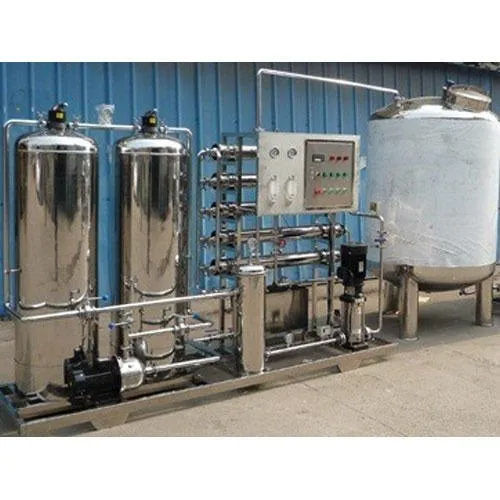

Price:
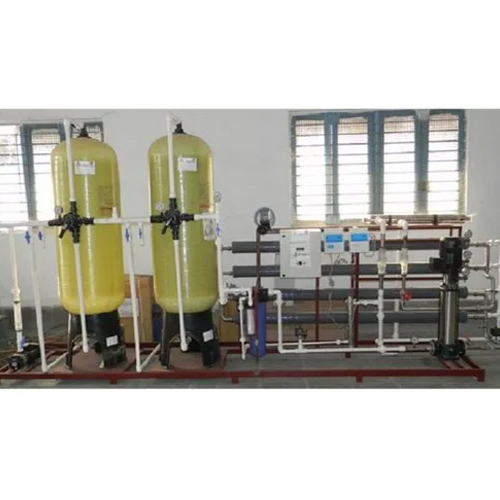
Price 425000 INR / Unit
Minimum Order Quantity : 1 Unit
Installation Type : Cabinet Type
Usage : Water Purification
Material : Stainless Steel
Warranty : 1 Year
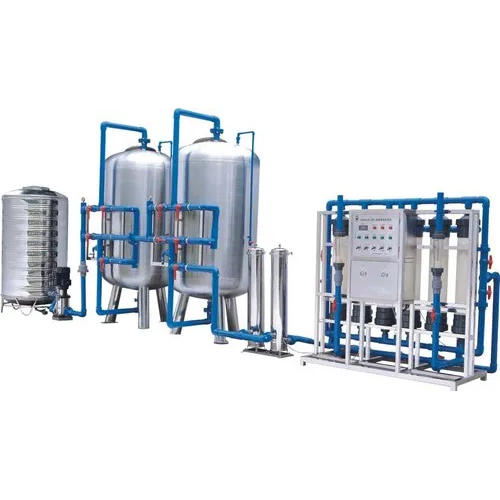
Price 595000 INR / Unit
Minimum Order Quantity : 1 Unit
Installation Type : Cabinet Type
Usage : Water Purification
Material : Stainless Steel
Warranty : 1 Year
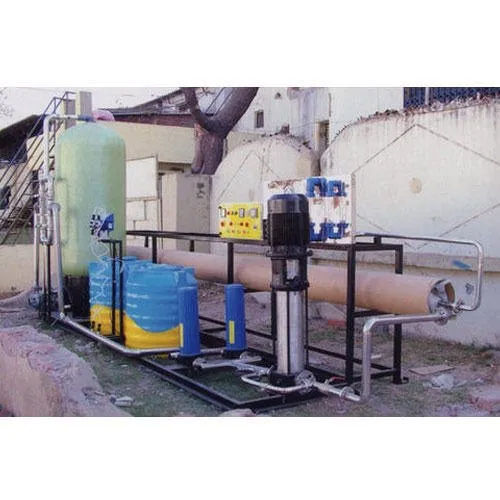
Minimum Order Quantity : 1 Unit
Installation Type : Cabinet Type
Usage : Industrial
Material : Stainless Steel
Warranty : 1 year
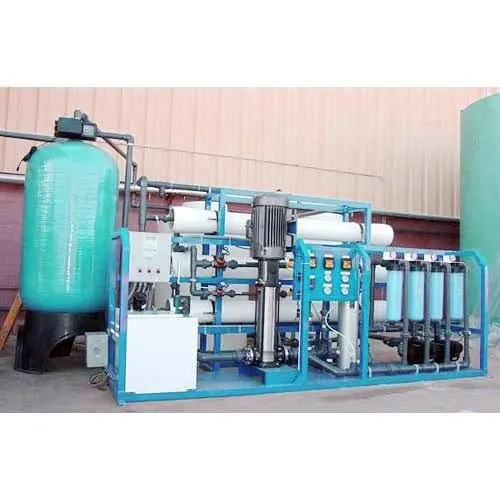
Minimum Order Quantity : 1 Unit
Installation Type : Cabinet Type
Usage : Industrial
Material : Stainless Steel
Warranty : 1 year
GST : 24CQEPP5606B1Z7


 Send Inquiry

 Send Inquiry