
Call: 07971670381
 Send Inquiry
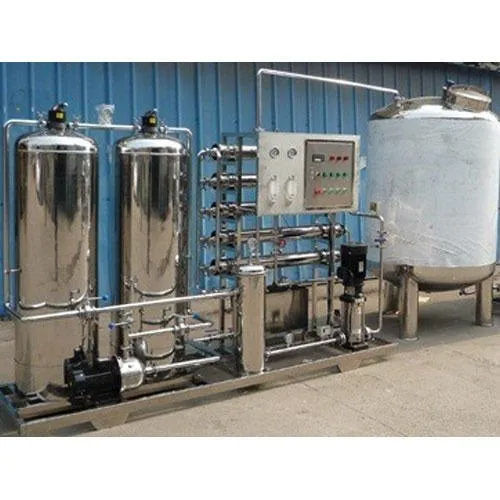
An institutional reverse osmosis (RO) plant is designed to purify water by removing contaminants and dissolved solids through a semi-permeable membrane. Heres a technical description of its components and processes:
Key Components
1. Pre-Treatment System
- Media Filters Remove suspended solids, sediments, and larger particles.
- Activated Carbon Filters Eliminate chlorine, chloramines, and organic compounds that can damage membranes.
- Antiscalant Dosing Prevents scale formation on RO membranes.
2. High-Pressure Pump
- Pressurizes the pre-treated feed water to the necessary levels for RO, typically between 100 to 300 psi, depending on the feed water quality.
3. Reverse Osmosis Membranes
- Made of polyamide thin-film composite or other materials, these membranes allow water molecules to pass while rejecting larger molecules and ions (e.g., salts, bacteria).
4. RO Skid
- Contains the membranes arranged in pressure vessels. Water flows through these vessels under pressure, producing permeate (purified water) and concentrate (rejected contaminants).
5. Post-Treatment System
- pH Adjustment Ensures the final water meets the desired pH level.
- UV Sterilization Further reduces any microbial load in the permeate.
- Mineral Addition Re-mineralizes the purified water to improve taste and quality, if necessary.
6. Control and Monitoring System
- Automated controls for managing pressures, flow rates, and system alarms. Includes flow meters, pressure gauges, and conductivity meters to monitor system performance.
Operational Process
1. Feed Water Intake The water source is drawn into the system and passes through the pre-treatment stage.
2. Pre-Treatment The water undergoes filtration to remove particulates and disinfection processes to ensure that the feed water is free from harmful chemicals that could damage the membranes.
3. RO Process The high-pressure pump drives the pre-treated water through the RO membranes, where pure water permeates through the membranes, and concentrated contaminants are expelled.
4. Post-Treatment The permeate is treated further to ensure it meets the desired quality standards for its intended use.
5. Discharge of Concentrate The remaining concentrate, which contains the rejected contaminants, is disposed of or treated further based on environmental regulations.
Applications
Institutional RO plants are commonly used in:
- Educational Institutions Providing safe drinking water in schools and universities.
- Hospitals Supplying purified water for medical applications and processes.
- Hotels and Resorts Ensuring high-quality water for guests and culinary uses.
- Industrial Applications Supporting manufacturing processes that require purified water.
Maintenance and Management
Regular maintenance is crucial for the longevity and efficiency of the system. This includes:
- Routine cleaning and replacement of membranes.
- Regular inspection and servicing of pumps and control systems.
- Monitoring water quality parameters to ensure compliance with health standards.
Conclusion
An institutional reverse osmosis plant is a sophisticated system that plays a vital role in providing high-quality water for various applications. By employing a combination of advanced filtration and treatment technologies, it ensures that water is safe, palatable, and suitable for its intended use.
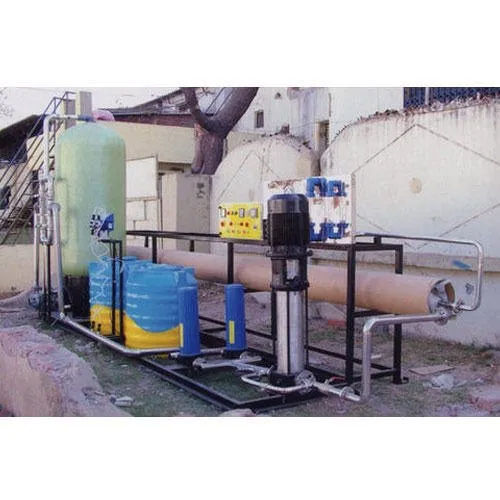

Price:
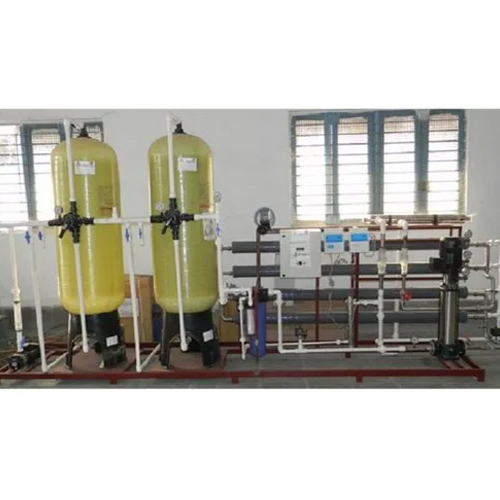
Price 425000 INR / Unit
Minimum Order Quantity : 1 Unit
Water Source : Ground Water
Warranty : 1 Year
Installation Type : Cabinet Type
Usage : Water Purification
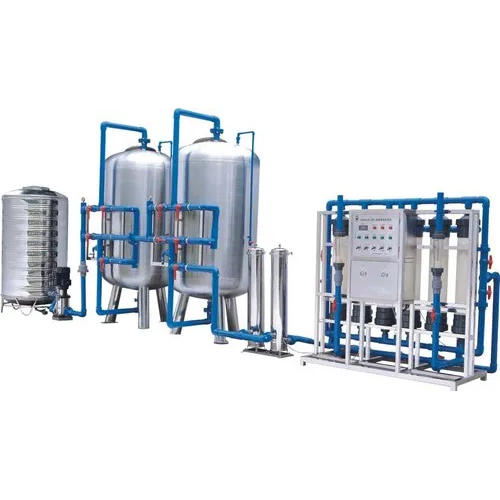
Price 595000 INR / Unit
Minimum Order Quantity : 1 Unit
Water Source : Ground Water
Warranty : 1 Year
Installation Type : Cabinet Type
Usage : Water Purification
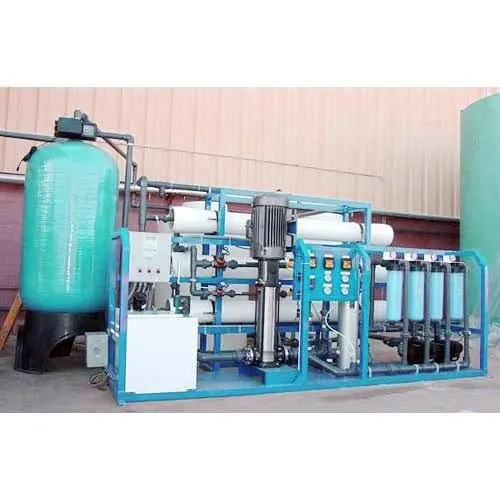
Minimum Order Quantity : 1 Unit
Water Source : Ground Water
Warranty : 1 year
Installation Type : Cabinet Type
Usage : Industrial
Minimum Order Quantity : 1 Unit
Water Source : Ground Water
Warranty : 1 year
Installation Type : Cabinet Type
Usage : Industrial
GST : 24CQEPP5606B1Z7


 Send Inquiry

 Send Inquiry